Featured
All about Calculating the Investment of How Inflation Imp...
The 30-Second Trick For How APFSC Work to Reach Financial...
The Main Principles Of The Benefits to Consider of When B...
8 Easy Facts About What Legislation Says When Undergoing ...
Our Recovering Your Financial Standing Following Bankruptcy PDFs
Table of Contents
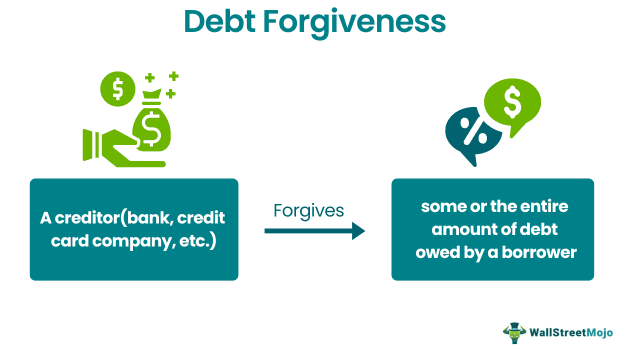
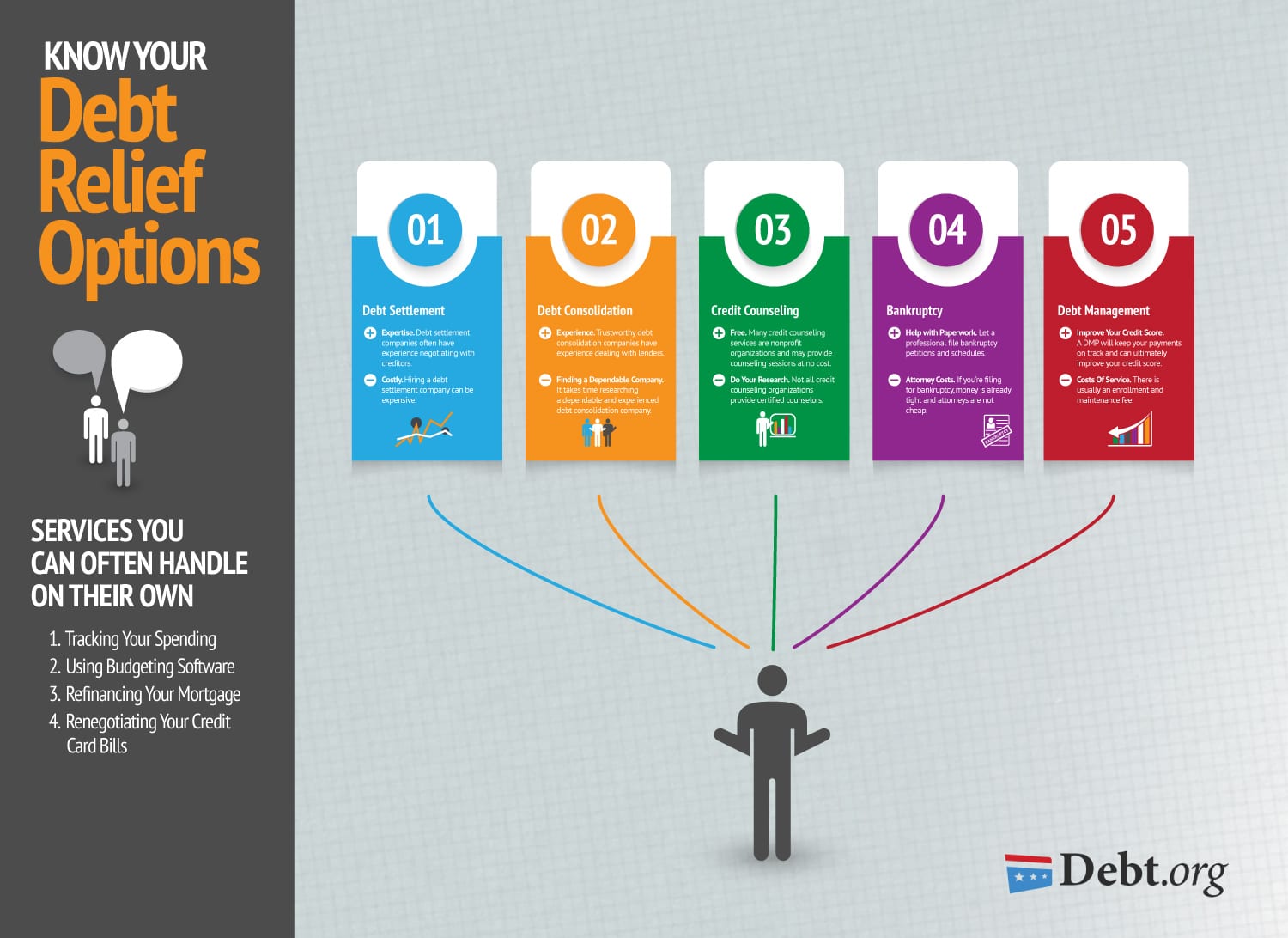
That maximizes cash in the short-term, and you may have three to 4 years to conserve toward the negotiation amount. Very unsafe to credit report, largely because of missed out on settlements and a negative "cleared up" mark that can remain on your credit scores record for approximately 7 yearsMay be just option if other alternatives (debt combination, equilibrium transfer charge card, financial obligation forgiveness) aren't possibleTypically requires a fee to the third celebration, which might counter some or all of the cost savings from financial debt settlementMay aid you prevent personal bankruptcy if you have actually missed out on a number of paymentsNot all lenders deal with financial obligation negotiation companies Financial obligation forgiveness may be ideal for you if you are experiencing a financial hardship that makes it almost difficult to pay down your financial obligation equilibriums.
With a DMP, you make one regular monthly settlement to the credit counseling firm. Those funds are after that dispersed to creditors of your unprotected financial obligations, such as charge card and installment financings. The firm collaborates with your lenders to minimize interest prices or forgo charges, yet some financial institutions might reject such concessions.
A financial obligation consolidation lending combines your qualified financial debts into one new lending. It can help you pay for financial obligation if you have the ability to protect a lending rate that's less than the typical price of the accounts you're consolidating. Nevertheless, you must avoid racking up financial debt on those freshly gotten rid of accounts or your financial obligation can grow even higher.
That gives you lots of time to get rid of or significantly minimize your equilibrium while making interest-free repayments.
Examine This Report on Unexpected Charges to Look For
You might require it if your lender or a debt collection agency ever tries to accumulate on the debt in the future. The letter could verify you do not owe what the debt collection agency's records show. Yes, in many cases, the internal revenue service considers forgiven financial obligation as gross income. When a loan provider forgives $600 or more, they are needed to send you Type 1099-C.
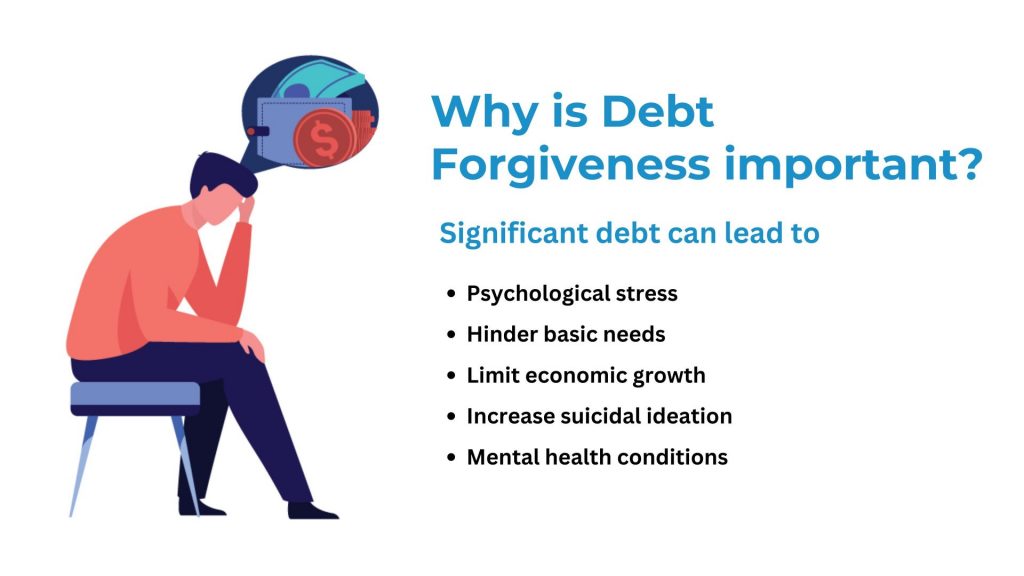
Debt mercy or settlement usually hurts your credit rating. Anytime you clear up a financial debt for much less than you owe, it might look like "cleared up" on your credit history report and affect your credit history for seven years from the day of negotiation. Your credit rating can likewise go down considerably in the months causing the forgiveness if you fall behind on settlements.
What Debt Counseling Typically Cost - Truths
This situation usually results from underreporting revenue, not submitting returns on time, or discrepancies found throughout an IRS audit. The consequences of building up tax obligation financial debt are major and can consist of tax obligation liens, which offer the Internal revenue service a legal case to your residential property as protection for the financial debt.
Greater interest prices on readily available credit scores. Incomes and Bank Accounts IRS can levy (take) earnings and checking account to satisfy the financial debt. Reduced income and disruption of important economic processes. Residential property Seizure In severe instances, the IRS can confiscate and market home to cover the financial obligation. Loss of valuable possessions and prospective variation.
Clinical depression, stress and anxiety, and various other psychological wellness concerns. Social Preconception Facing lawsuit from the IRS can bring social preconception. Damages to credibility and relationships. Employment Opportunities A bad credit rating because of strain financial debt can restrict work chances. Difficulty searching for or keeping a job. Government Benefits Tax financial obligation might affect qualification for government advantages, such as Social Safety And Security and Medicaid.
9 Simple Techniques For Accessing Help Through APFSC
The OIC considers several factors, including the taxpayer's revenue, expenditures, possession equity, and capacity to pay. Successfully negotiating an OIC can be intricate, needing a comprehensive understanding of the IRS's guidelines and a strong argument for why your deal lines up with your capacity to pay. It is essential to note that not all applications are approved, and the procedure requires thorough monetary disclosure.
The internal revenue service analyzes your overall financial circumstance, including your revenue, expenditures, possession equity, and capacity to pay. You have to also be present with all filing and settlement needs and not remain in an open bankruptcy case. The IRS additionally considers your conformity background, examining whether you have a document of prompt declaring and paying tax obligations in previous years.
The 2-Minute Rule for Everything to Understand Throughout the Virtual Wallets and Mobile Payments: Your Complete Guide to Digital Financial Security : APFSC Journey
The application process for an Offer in Compromise entails a number of comprehensive steps. First, you must finish and send IRS Form 656, the Deal in Compromise application, and Type 433-A (OIC), a collection details declaration for people. These types need extensive monetary information, consisting of details concerning your revenue, financial obligations, expenditures, and assets.
Back taxes, which are unsettled tax obligations from previous years, can significantly boost your overall IRS financial debt if not attended to quickly. This debt can build up rate of interest and late repayment fines, making the original quantity owed much larger gradually. Failing to pay back taxes can lead to the IRS taking enforcement actions, such as issuing a tax lien or levy against your residential or commercial property.
It is crucial to attend to back tax obligations immediately, either by paying the sum total owed or by organizing a payment plan with the IRS. By taking proactive actions, you can stay clear of the accumulation of additional rate of interest and fines, and prevent much more hostile collection activities by the IRS.
One common factor is the idea that the taxpayer can pay the total either as a lump amount or via a layaway plan. The IRS likewise considers the taxpayer's income, expenditures, possession equity, and future earning possibility. If these variables show that the taxpayer can pay for to pay greater than the offered quantity, the internal revenue service is most likely to deny the offer.
An Unbiased View of Maintaining Post-Debt Budget for Permanent Success
It is critical to give precise and complete information in your application and to seek advice from a tax specialist to boost the opportunities of acceptance. Handling IRS debt can be complicated and difficult. Tax professionals, such as CPAs, tax lawyers, or enrolled agents, can give important support. They have the expertise to navigate the ins and outs of tax law and internal revenue service treatments.

Table of Contents
Latest Posts
All about Calculating the Investment of How Inflation Impacts Your Debt Repayment Strategy
The 30-Second Trick For How APFSC Work to Reach Financial Relief
The Main Principles Of The Benefits to Consider of When Bankruptcy Counseling Suggests Debt Management or Forgiveness Instead
More
Latest Posts
All about Calculating the Investment of How Inflation Impacts Your Debt Repayment Strategy
The 30-Second Trick For How APFSC Work to Reach Financial Relief
The Main Principles Of The Benefits to Consider of When Bankruptcy Counseling Suggests Debt Management or Forgiveness Instead